Hickory Run Homestead
Willow Cuttings - Landscape, Biomass, Forage, & Conservation Varieties for Planting
Willow Cuttings - Landscape, Biomass, Forage, & Conservation Varieties for Planting
Couldn't load pickup availability
***5 cuttings for rooting (8-10"), shipped Dec-May
Grow your own biomass, forage, wildlife habitat, or landscape tree with these tough, resilient varieties perfect for privacy screens, windbreaks, living fences, streambank stabilization, and more.
Varieties & Traits:
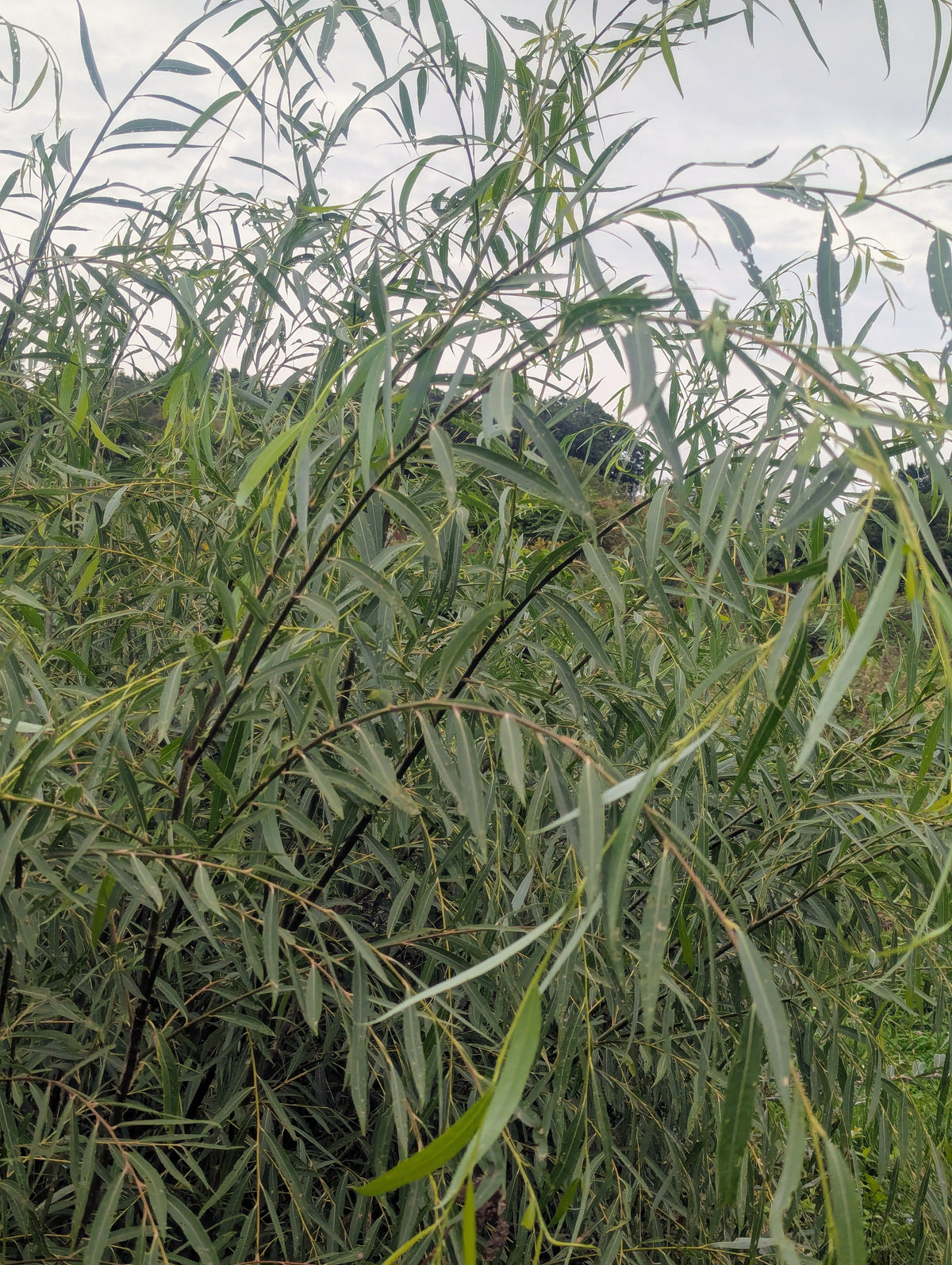
Black Willow (Salix nigra / American Black Willow) A vigorous native willow with a wide, aggressive root system that stabilizes wet banks, streams, and swampy areas. It grows into a large shade tree and is excellent for naturalizing wet landscapes. Beautiful dark brown and black bark with a rough shaggy texture. Excellent plant for a pollinator garden, as it serves as a host plant for the larvae of several butterflies including the Eastern Tiger Swallowtail (Papilio glaucus), Mourning cloak (Nymphalis antiopa), Red spotted purple (Limenitis arthemis astyanax), and the Eastern comma (Polygonia comma).
-
Uses: Bank erosion control, stream restoration, large shade tree, native wetlands
-
Mature Height: 6–10 feet coppiced annually | 50-100+ feet unpruned
-
Deer Resistant: No
-
USDA Hardiness Zone: 3+
Dappled (Salix integra 'Hakuro-Nishiki' / Dappled Willow) Also called “flamingo” willow (for good reason!), this willow produces a breathtaking display of variegated speckled green, white, and pink leaves that make this willow a no-brainer choice for many landscapers and nurseries. Can also be used for basketry, and dries to a deep burugndy brown.
-
Uses: Colorful landscape hedges, small projects, small basketry rods
-
Mature Height: 3–6 feet pruned annually | 10 feet unpruned
-
Deer Resistant: No
-
USDA Hardiness Zone: 3+
Silky (Salix sericea) Native to the eastern US, this willow is popular for both food and habitat for wildlife, and its late hanging leaves through hunting season make it a popular choice for deer blinds and hedges.
-
Uses: Landscape texture, wetland erosion control, native habitat
-
Mature Height: 3–5 feet coppiced annually | 8–12 feet unpruned
-
Deer Resistant: No
-
USDA Hardiness Zone: 4+
Streamco (Salix purpurea 'Streamco') Long, slender, flexible rods with good tension that work great for basketry. Tends to bend towards the ground and root, forming a dense cover very effective for stabilizing banks and reducing soil erosion. Dries to a light green.
-
Uses: basketry, weaving, erosion control
-
Mature Height: 6-8 feet coppiced annually | 20-25 feet unpruned
-
Deer Resistant: Moderately. Purpurea willows have bitter bark that deer find less palatable, but they are not deer-proof.
USDA Hardiness Zone: 3+
Weeping Willow (Salix babylonica) The classic graceful weeping willow. A fast-growing staple of many landscapes, especially nearby ponds and creeks.
-
Uses: shade tree, landscape, shoreline soil stabilization
-
Mature Height: 40–50 feet unpruned
-
Deer Resistant: No
-
USDA Hardiness Zone: 4+
Winter Green (Salix miyabeana 'Wintergreen') A fast-growing Japanese willow with beautiful green stems and loads of tiny catkins in late winter that pollinators adore, giving bees an early pollen source before anything else is blooming. Stems make adorable mini pussy willow bouquets for Easter events and spring interest. Lowest portions of branches can be a little heavy for basketry. Surprisingly, a percentage of the stems dry black. This is one of our favorite willows, and we consistently recommend it for living fences and structures, or for a vigorous multi-purpose willow that’s also beautiful in the summer and winter landscape.
-
Uses: structures, coarse basketry, hedges and fences, weaving, pollinators, landscape beauty, floral arrangements
-
Mature Height: 8-10 feet coppiced annually | 20–50 feet unpruned
-
Deer Resistant: No
USDA Hardiness Zone: 4+
Share